




Inflatable kayak or rigid kayak - which is the right choice for you?
Whether it's a weekend trip, summer vacation or an after-work trip on the lake - inflatable kayaks are all the rage. They are easy to transport, quick to set up and surprisingly robust. But which model suits your needs?
Our test shows what's important and helps you find the right inflatable kayak!
Inflatable kayaks in the test & at a glance
- Inflatable kayaks are lightweight, compact and easy to transport, but offer less directional stability and require a little more maintenance.
- For safe and comfortable use, you need accessories such as a paddle, life jacket, pump and repair kit.
- Modern air kayaks are very safe thanks to robust materials and multi-chamber systems - especially on calm waters.
- If you frequently plan longer tours or are traveling on the high seas, we recommend a rigid kayak as opposed to an inflatable kayak.
What are the advantages and disadvantages of an inflatable kayak?
With an inflatable kayak, you gain great mobility and easy storage thanks to its low weight and clever packing size; however, there are limitations in terms of direction, speed and maintenance. That's why you should always test inflatable kayaks and canoes and carefully compare the pros and cons.
| Advantages | Disadvantages |
| Extremely light and space-saving - ideal for car, train or backpack | Slower & less directional stability than a hard shell - less efficient on longer trips |
| Very stable - especially on calm water, hardly possible to capsize | More sensitive to wind - higher wind drift, can be difficult to steer |
| Modern materials (PVC, drop-stitch) offer amazing robustness | Setup & maintenance - inflation, drying, cleaning required |
| Compact storage - fits in apartment, car trunk, backpack | Risk of leaks/breakdowns - carry puncture kit, material care required |
Which inflatable kayak is the best? Inflatable kayak from SKINHAWK put to the test
You may be asking yourself: Which kayak is right for me? In the following, we would like to introduce you to the inflatable kayak from SKINHAWK.
SKINHAWK Classic Kayak
The SKINHAWK Classic inflatable kayak (410 cm x 90 cm) is a solid entry-level and leisure kayak for up to three people. It combines easy handling, ergonomic and comfortable seats, good stability and offers space for luggage - ideal for recreational and touring use in calm waters, as shown in the test of inflatable kayaks.
- Price: from 599 €
- Suitability: Up to 3 people, for beginners and recreational paddlers
- Material: PVC

What accessories do you need for an inflatable kayak?
You only need a few effective accessories for your inflatable kayak: A paddle, PFD, pump and repair kit are essential; in addition, safety and comfort equipment is worthwhile for relaxed and safe paddling fun. However, you should always test the inflatable kayak or canoe in practice so that you know exactly what you really need.
- Paddles & replacement paddles: High-quality paddles that can be dismantled if necessary ensure efficient paddling, while replacements increase safety in the event of damage.
- Personal flotation device (PFD): A flotation device specially selected for the kayak ensures freedom of movement and safety.
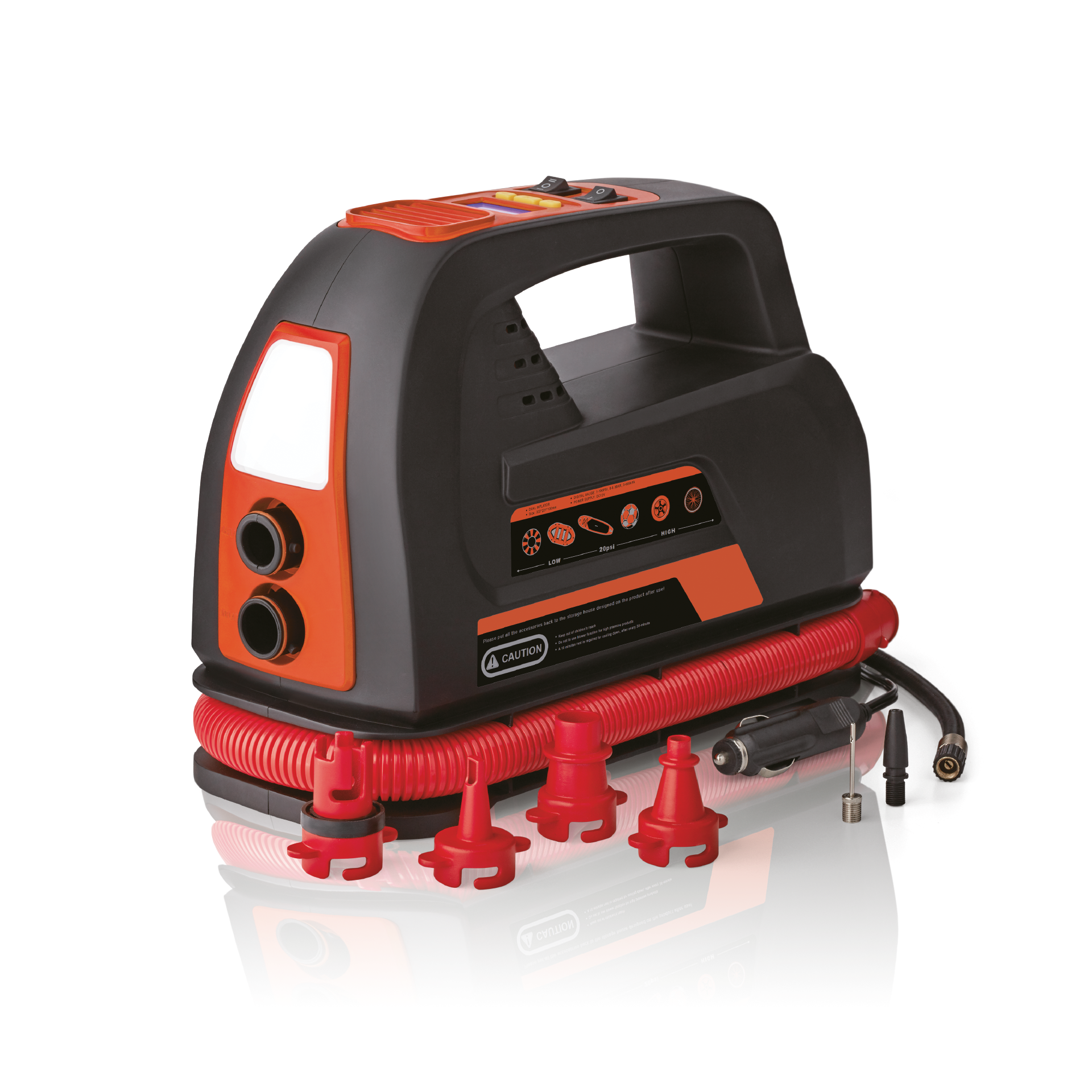
- Air pump (foot or hand pump): Essential for quick inflation on the move and for pressure readjustment.
- Repair kit/patch kit: Indispensable in the event of leaks - should always be in your luggage.
- Bilge pump or sponge: To remove penetrating water - important in the event of capsizing or waves.
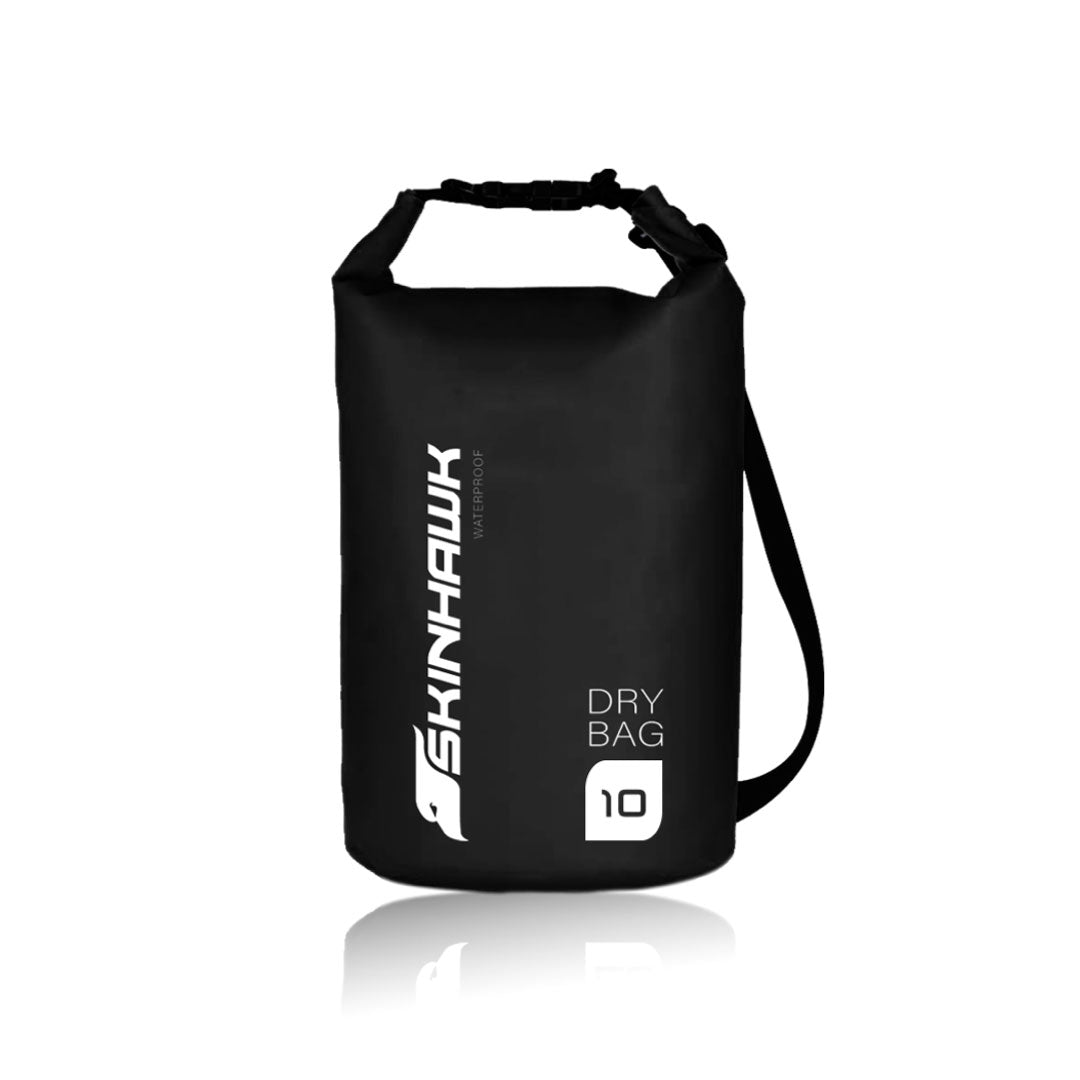
- Drybag: Keeps electronics, clothing and provisions reliably dry.
- Signal whistle & alarm signal: Increases visibility and enables you to call for help in an emergency.
- Suitable clothing & shoes: Neoprene, UV protection and non-slip water shoes ensure comfort and safety.
With this packing list for your kayak tour, you will be safe and comfortable on your inflatable kayak.

How safe are inflatable kayaks?
Inflatable kayaks are surprisingly safe when used correctly: modern multi-chamber construction, robust materials and slow pressure loss behavior usually prevent unexpected sinking - they float reliably and remain stable, especially on lakes and rivers.
This safety is based on four factors:
- Multiple air chambers ensure that even in the event of a leak, the remaining chambers keep the boat afloat.
- Robust materials such as PVC, Hypalon or drop-stitch provide high puncture and abrasion resistance.
- Slow air loss makes it possible to paddle safely to the shore in the event of damage.
- Wide, flat bottoms create high tipping stability - particularly practical for beginners.
Generally speaking, inflatable kayaks are ideal for calm to moderate conditions. Caution is advised in strong winds, high seas or Class III rapids.
How long does an inflatable kayak last?
With good care and moderate use, an inflatable kayak typically lasts 7 to 10 years - high-quality models even up to 20 years or longer. Cheaper models, on the other hand, can show signs of fatigue after just 2 to 3 years.
The actual service life depends crucially on
- the material quality (high-quality PVC, Hypalon, drop-stitch)
- the frequency of use (regular use shortens, occasional use extends the service life)
- care and storage (UV protection, thorough drying, cleaning after each use)
In short: with a high-quality model and careful handling, you can use your kayak for a decade or longer, whereas cheaper models will last much shorter.

What is the best way to get into an inflatable kayak?
The best way to get into an inflatable kayak is as follows: You place the kayak flat in the water parallel to the shore, get into the water, push it out, sit in it purposefully and safely - this way you maintain stability at all times.
Tips in detail:
- Position the kayak parallel or at right angles to the bank/jetty depending on the conditions.
- Straddle the kayak in knee-deep water, stabilize yourself at the side with your hand.
- Consciously sit with your buttocks on the seat, then pull your legs in.
- Use the paddle or footbridge for balance when you get in from the footbridge.
- Keep calm and make controlled movements to keep the kayak stable and prevent it from capsizing.
Is vinyl or PVC better for inflatable kayaks?
PVC is usually the better choice for inflatable kayaks - it is more robust, more durable and more resistant to abrasion and UV radiation. Vinyl may be cheaper, but has weaknesses in terms of durability and stability. Both materials have specific properties that can be relevant depending on the intended use.
| Vinyl | PVC |
| Cheaper to purchase | Slightly more expensive, but with a higher quality finish |
| Softer, lighter, more flexible | Firmer, more dimensionally stable and abrasion-resistant |
| More susceptible to cracks and UV damage | Better protection against UV, salt water & abrasion |
| More for entry-level or leisure models | Standard for high-quality touring kayaks |
| Shorter service life | Significantly more durable with good care |
When should I choose a rigid kayak?
You should choose a rigid kayak if you regularly paddle longer tours, are out on the open sea or expect maximum performance in terms of speed and directional stability.
Rigid kayaks offer better gliding ability, greater stability in waves and are less sensitive to wind - ideal for ambitious paddlers or demanding conditions.
They are also superior when it comes to durability and maintenance: no air chambers, no pumping time, hardly any risk of leaks. If transportation and storage are not a problem for you, you should buy a kayak with a hard shell.
Frequently asked questions about inflatable kayaks in the test
What are the advantages of a 2-person kayak compared to a single kayak?
A 2-person kayak is particularly suitable for couples, friends or families who want to paddle together. It offers more space and carrying capacity than a kayak for one person and is ideal for longer tours or relaxed excursions. The weight is also better distributed, making the kayak more stable and comfortable to use.
Is an inflatable canoe or a fixed kayak better for fast tours?
For sporty riders who want to maneuver a kayak quickly, fixed kayaks offer an advantage due to their rigid hull and construction. An inflatable canoe, on the other hand, scores points for ease of transportation and handling. Those who value speed will find helpful comparisons for choosing the right model in the kayak test reports of the best kayaks.
What should you bear in mind when using a kayak?
The use of the kayak depends heavily on the area of use and the type of construction. A kayak for one person offers maximum flexibility and is well suited for short tours or narrow waters. A kayak for 2 people, on the other hand, is ideal for trips together, but requires more coordination when paddling. Always observe the load capacity and the manufacturer's recommendations for inflatable kayaks.
How do fixed kayaks differ from inflatable kayaks?
Fixed kayaks are particularly stable, fast and durable, which makes them the best choice for sporty riders or rough waters. An inflatable canoe, on the other hand, is easy to store and transport. In the tests of inflatable kayaks and canoes, you will find comparisons that show the strengths and weaknesses of both types so that you can choose the best kayak for your needs.